

Introduction
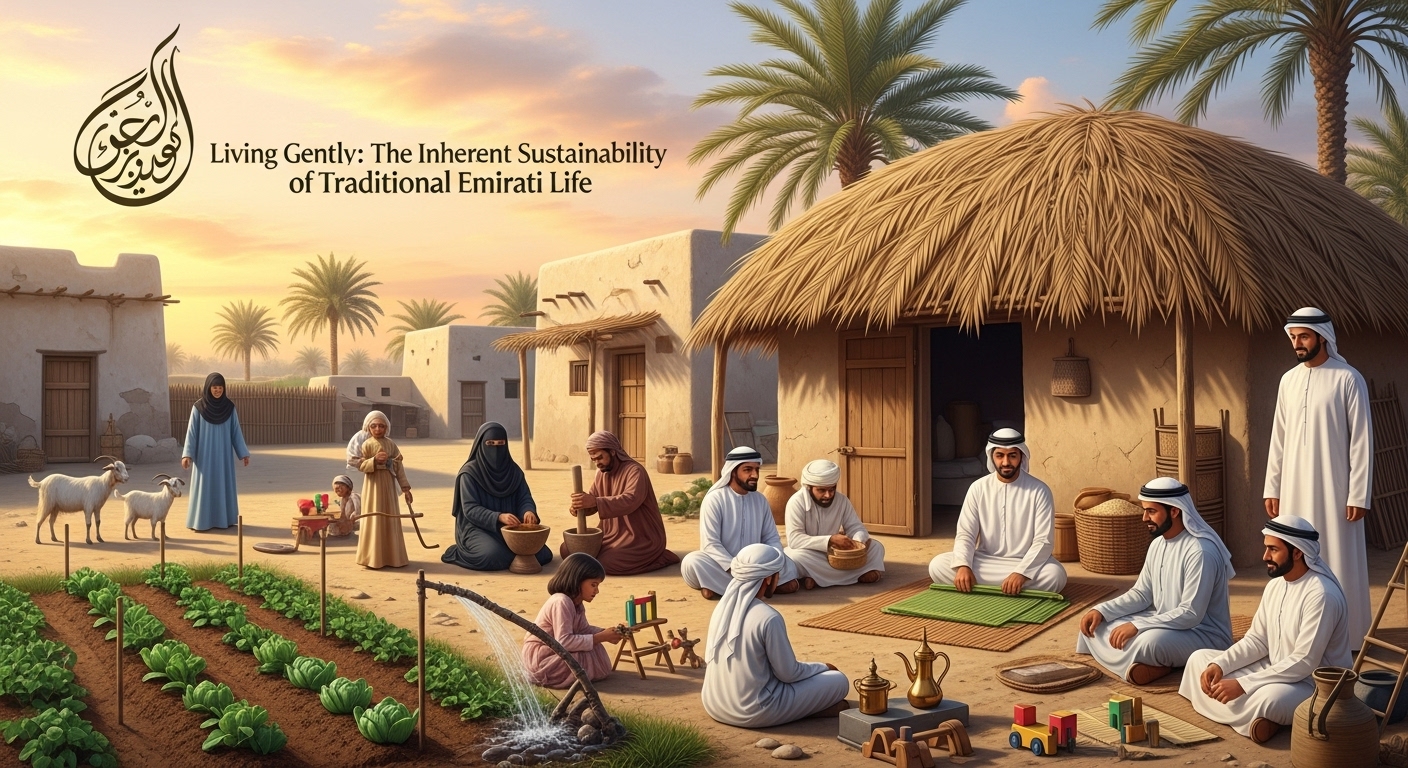
In the stark and demanding environment of the Arabian Peninsula, survival itself was a lesson in sustainability. Long before the term entered the global lexicon, the people of the Trucial States practiced a way of life that was inherently sustainable, born not from ideology but from necessity. Every resource—water, food, shelter, and energy—was precious and finite. The traditional Emirati lifestyle was a masterclass in circular economy, zero-waste living, and environmental adaptation, demonstrating a profound understanding of how to live in delicate balance with a fragile ecosystem.
History
For centuries, the Bedouin of the interior and the coastal dwellers of the Gulf developed a symbiotic relationship with their environment. Their nomadic and semi-nomadic existence was dictated by the availability of water and grazing, a practice that prevented over-exploitation of any single area. In the oases and coastal towns, settled communities developed sophisticated systems to manage their scarce resources. This way of life remained largely unchanged until the mid-20th century, when the discovery of oil and the subsequent influx of wealth introduced a new paradigm of consumption and permanently altered the human-environment dynamic.
Key Features
Traditional sustainability was woven into the fabric of daily life through practical, time-tested methods:
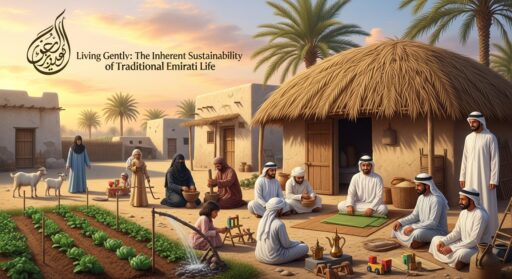
- Water Wisdom: The most critical resource was managed with extreme care. The aflaj irrigation system channeled groundwater with gravity, minimizing waste. Well water was drawn sparingly, and every drop was used multiple times. Personal consumption was minimal.
- Resourceful Architecture: Buildings were designed for passive climate control. Thick mud-brick or coral stone walls provided insulation. The barjeel (wind tower) captured and funneled breezes to cool interiors, and narrow, shaded alleyways in settlements created cool microclimates.
- A Zero-Waste Mindset: Nothing was discarded. Date palms provided food, while their fronds (khoos) were woven into baskets, mats, and roofing. Animal hides were used for water bags, and every part of a slaughtered animal was consumed or used. Goods were repaired and repurposed endlessly.
- Sustainable Food Sourcing: Diets were seasonal and local. The sea provided fish, the desert provided game like the houbara bustard, and oases provided dates. This minimized the environmental footprint of food, which was limited to what the local environment could naturally provide.
Cultural Significance
This resourceful lifestyle was not seen as a hardship but as the natural order, giving rise to a cultural ethos of frugality, ingenuity, and deep respect for nature. The Bedouin code emphasized leaving a light footprint, taking only what was needed, and moving on to allow the land to recover. This fostered a society that valued resilience, community sharing, and a profound understanding of the natural signs that predicted weather, water sources, and grazing conditions. These values of careful stewardship and making the most of what you have are a proud part of the national heritage.
Modern Relevance
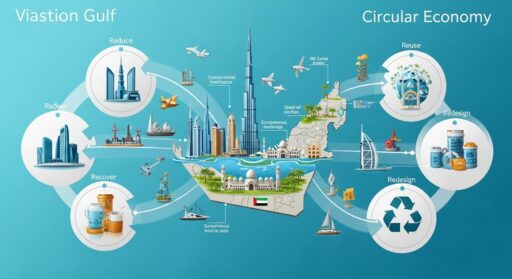
In the 21st century, the UAE is looking back to these traditional practices for inspiration. The principles of passive cooling are being rediscovered and integrated into modern green building standards. The concept of a circular economy is a national policy goal, echoing the zero-waste ethos of the past. The aflaj system is a UNESCO World Heritage site, studied for its efficient water management. As the UAE confronts the global challenges of climate change and resource scarcity, the wisdom of its ancestors provides a powerful foundational philosophy. It serves as a reminder that sustainability is not a new, foreign concept, but a return to the deeply rooted principles that once ensured survival in this land.
Conclusion
The traditional Emirati way of life was a brilliant, unwritten blueprint for sustainable living in an arid environment. It was a system where human needs were met in harmony with ecological limits. While the context has changed dramatically, the underlying principles of this lifestyle—resource efficiency, adaptation, and respect for the natural world—are more relevant than ever. By honoring and re-interpreting this inherited wisdom, the UAE can build a future that is not only technologically advanced but also ecologically mindful, ensuring that the nation’s progress is truly sustainable for generations to come.